|
THE BLOG OF Christine TipperCosy Crime, Good Books & the Occasional Norfolk Terrier 20 APRIL 2026 |
||||||
Spring Reading, Retired Detectives and a Dog Called RexHello and welcome back! If you’re reading this with a cup of tea in hand and the spring sunshine doing its best through the window, then you’re in exactly the right place. April has been a wonderful month for cosy crime — the new releases are coming thick and fast, and I’ve barely been able to keep up with my reading pile. Not that I’m complaining, mind you. This week I want to introduce you to an author who has been quietly building one of the most successful cosy crime series around, talk about a brand new release that’s perfect for seaside-mystery lovers, and share a few thoughts on what makes the bond between a fictional sleuth and their dog so irresistible. (I may be slightly biased on that last point.) ✦ ✦ ✦ AUTHOR SPOTLIGHT Steve Higgs — The Man Behind Albert Smith and RexIf you haven’t come across Steve Higgs yet, you’re in for a real treat — and quite possibly a binge-read that will swallow your entire weekend. Steve is the author behind Albert Smith’s Culinary Capers, one of the most popular cosy crime series of recent years, and he has one of the most interesting backstories of any crime writer working today.
After years of enormous success as a self-published author — we’re talking millions of copies sold — Steve has recently signed with Vinci Books, which means his Albert and Rex novels are now appearing on the shelves at Waterstones and other high street bookshops for the first time. If you’ve been meaning to try this series, the timing couldn’t be better. Start with Pork Pie Pandemonium and prepare to be thoroughly charmed. As a writer who also puts a dog right at the centre of her stories, I have enormous respect for how Steve handles Rex. He’s not just a cute accessory — the bond between Albert and Rex is the emotional engine of the whole series. It’s that loyalty, that unshakeable companionship, that makes these books so comforting to read. Anyone who has ever loved a dog will understand. ✦ ✦ ✦
✦ ✦ ✦ THOUGHTS FROM THE WRITING DESK Why Every Good Sleuth Needs a DogWriting about Steve Higgs this week got me thinking about something I feel quite strongly about: the role of dogs in cosy crime fiction. It’s no accident that so many of us put a dog at the heart of our stories. When I created Sprite — Paige Harper’s loyal, opinionated little Norfolk Terrier in The Paige Harper Mysteries — I knew from the very beginning that she would be more than just a pet in the background. She had to matter. Dogs do something very particular in a mystery story. They ground the sleuth. When your amateur detective is poking around in dark corners and asking questions that make people uncomfortable, the dog is there reminding us — and the character — of ordinary life. Of walks and mealtimes and the simple comfort of a warm body curled up at your feet. They’re the anchor that keeps the story cosy, even when the plot is anything but. But they also do something cleverer than that. A dog notices things. Sprite has a way of reacting to people that tells Paige — and the reader — more than any amount of dialogue could. A low growl at a seemingly friendly neighbour. An enthusiastic tail wag for the person everyone else suspects. Dogs are honest in a way that human characters can’t always be, and in a genre built on deception, that honesty is gold. Steve Higgs clearly understands this. Rex isn’t just along for the ride — he’s Albert’s partner, his protector, and often the one who cracks the case wide open (usually by doing something magnificently disobedient). And the fact that Steve lets Rex speak directly to the reader takes that bond to another level entirely. So here’s to the dogs of cosy crime. The terriers and the spaniels and the former police dogs with attitude problems. Long may they sniff out clues, steal sausages, and refuse to come when called. ✦ ✦ ✦ ALSO ON MY RADAR Three More April Releases Worth a Look
✦ ✦ ✦ Thank you so much for reading this week. If you’ve tried any of the books I’ve recommended, or if you have a favourite cosy crime dog you think I should know about, I’d love to hear from you. And if you’re new here and haven’t yet met Paige Harper and Sprite, you can find all five books in The Paige Harper Mysteries on my website. Until next week — happy reading, everyone. |
||||||
|
Let the adventures continue Christine x
© 2026 Christine Tipper. All rights reserved. |
 CHRISTINE TIPPER
A philosophical Easter morning
Good morning and Happy Easter.
Today I’m feeling philosophical.
As I write this letter the sun is shining, although there is still a freshness to the air. Yesterday, my husband and I spent some time gardening. The Easter message of rebirth was in evidence on our roses with numerous new shoots. It was also there in weeds that had proliferated in the beds. A pair of blackbirds are busy collecting nest making materials from our garden to set up home again in the tree at the bottom of the garden. A sign of new beginnings. They are regular visitors, as are the sparrows. Today I glimpsed a robin with a stalk in its beak. Could it be building a nest too?
Last night I watched Sir David Attenborough’s Secret Garden. The episode, about a normal suburban garden in Bristol, was fascinating and made me realise that I probably have no idea how many visitors come my garden. Yes, I see the blue tits eating bugs off my rambling rose, the blackbirds foraging in the bark underneath the fig tree, the bees collecting pollen from my roses and lavender, the queen wasp attempting to set up home in my garden shed again, not forgetting the ants, woodlice, beetles, slugs and snails weaving their networks on the ground, but there are the nocturnal visitors who I do not see.
And isn’t that the same as faith? There is the seen and the unseen. At this important time of year in the Christian calendar and in the coming of spring, let us celebrate all that is seen and unseen. The world is a beautiful place.
Hello from sunny Swindon
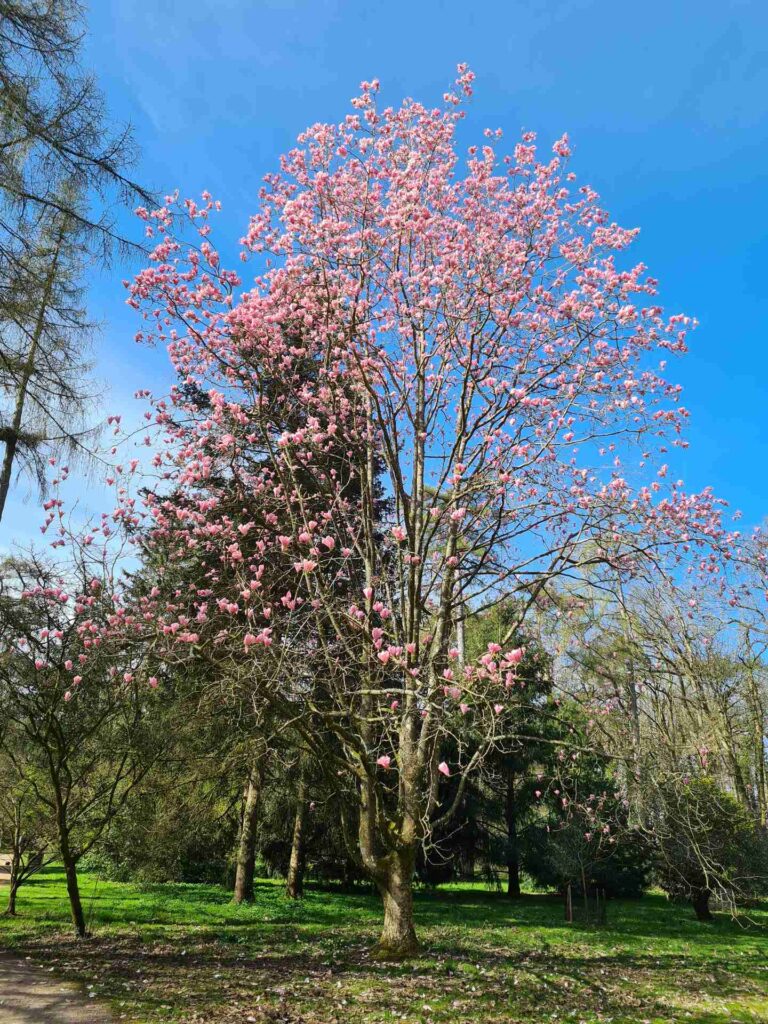
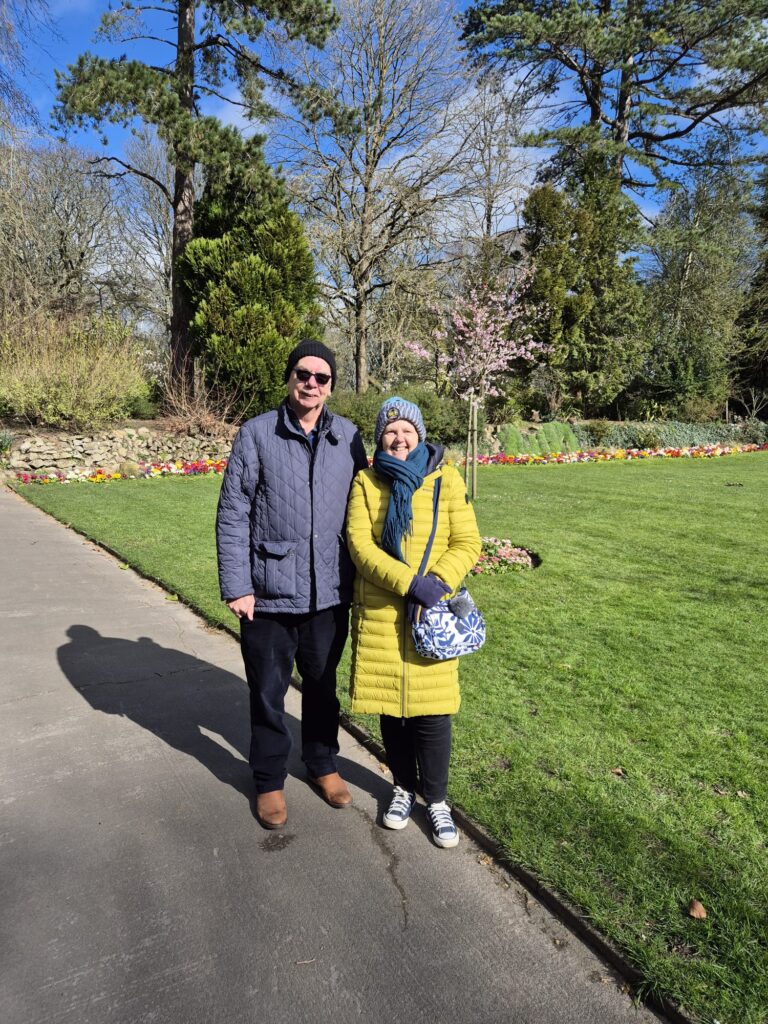
This last week we have been blessed with sunny weather and I’ve been making the most of getting out in nature. Spring is a magical time when the earth reawakens after the sleep of winter. There are green shoots on the trees, daffodils nodding their yellow trumpets wisely and snowdrop bells delicately decorating the woods. In Swindon, crocus flowers growing on the verges bring splashes of orange, purple and pink to cheer passing motorists, bus passengers and cyclists. Our Town Gardens put on a beautiful display with multi-coloured flower beds. I love these signs of rebirth that assure me that there is beauty in the world.
Now, you’re probably wondering why I’m waxing lyrical about spring instead of the art of writing?
For me, the rhythms of the seasons mirror the processes of writing. I have moments in the writing of a novel when I’m in the ‘spring’ stage – ideas come to me like fresh shoots, plots spread like a network of roots and buds of characters start to blossom. When ‘summer’ arrives the book comes together and is near completion. Next is the tough period of the ‘autumn’ of edits – when I know that some of my ‘marvellous’ prose needs to be stripped away like falling leaves to reveal the story’s core, its framework, its branches of characters, plots and resolution. Finally, the nakedness of the tree in ‘winter’ reflects my vulnerability when I launch my novel into the world.
I hope you’ve been enjoying my Paige Harper Mystery series 😊set during different seasons of the year.
Thank you for reading me. Any comments welcome.
A woman of substance
Hello, I’ve just finished watching the serialisation of A woman of substance by Barbara Taylor Bradford. I read the book almost half a century ago when it first came out and watching the story of Emma Harte unfold made me think about how an author writes a heroine’s role these days. How does Bradford’s heroine compare to contemporary ones? I write strong, feisty female protagonists who fight to solve crimes and bring justice to those wronged and punishment to those who have committed the murders. The main character is surrounded by a cast of friends and family who give her emotional and practical support. How will my characters be judged by a later generation?
Bradford’s theme is revenge. Revenge for all the injustice and wrongs that Emma Harte and her family suffered at the hands of the local landed gentry. Emma is ruthless in her pursuit of those who have mistreated her and in her ambition to become a successful business woman. But on that journey she makes many sacrifices and hurts and uses those close to her – her best friend, her husband, her children. And in the end, one has to ask oneself – was it worth it?
When the book came out in January 1979 it was the beginning of societal change. Women began to believe that they could achieve in the business world, climb to the top of the career ladder. I went to a girls High School where, even though we were well-educated, we were expected to become teachers, nurses or secretaries. No one would have suggested that we could become doctors, professors or CEOs. How times have changed. And yet are we not seeing another societal shift where the younger generation are more interested in a life-work balance than a successful career?
I’d love to hear your comments on the points I’ve raised.
Christine
New Website Goes Live!
My new website is now live but evolving!
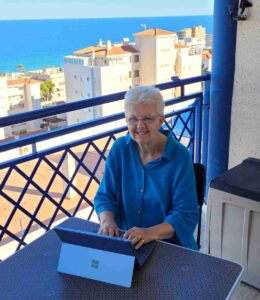
Hi everybody, I’m super excited to have a new website. I’ll be posting here on a regular basis to keep you up to date on what’s happening in my fictional world. I’ll be sharing a few ideas and progress on the new series coming soon. In the meantime, if you haven’t already discovered my Paige Harper mysteries set in the beautiful city of Exeter do take a look.